
The Rideau Canal runs through Ottawa and stretches toward Kingston, forming one of the most important waterways in Canada. In Manotick, it shapes daily life and defines the local landscape. The canal connects rivers and lakes into a single route, which allows people to travel across a large part of eastern Ontario by water. Today, it serves both as a historic landmark and as a place for recreation throughout the year.
How the Canal Works and What It Offers
The canal extends for more than 200 kilometres and links the Ottawa River with Lake Ontario. Engineers designed a system that combines natural waterways with constructed sections. Boats move through a series of lock stations that raise or lower water levels step by step. This system allows safe travel across different elevations without strong currents or rapids.
How does the Rideau Canal operate and why it remains useful:

- A continuous route built from rivers, lakes, and controlled channels
- A network of lock stations that manage water levels and boat movement
- Access for boating from spring through autumn
- A route that passes through Ottawa, Manotick, and many smaller communities
- A winter skating corridor in central Ottawa that attracts visitors each year
Many locks still operate by hand, which reflects the original engineering methods. Workers open and close gates using simple mechanical systems, and this process creates a direct connection between past and present. The canal also supports a wide range of wildlife, including birds, fish, and small mammals that live along the water.
Historical Role
The canal began as a strategic project that aimed to support secure travel between key locations in British North America. Planners selected a route that avoided vulnerable areas and relied on inland waterways. Construction required careful planning and coordination, and thousands of workers took part in the project.
Engineers chose a slackwater design, which uses dams to raise water levels and create calm sections for navigation. This method reduced the need for extensive digging and allowed builders to work with the natural environment. Once completed, the canal supported the movement of goods such as timber, grain, and minerals. It also helped new settlers reach inland communities, which contributed to regional growth.
Over time, transportation patterns changed. Railways and improved shipping routes offered faster options, and commercial traffic on the canal declined. Even so, the structure remained intact and continued to serve as a functional waterway.
Modern Use
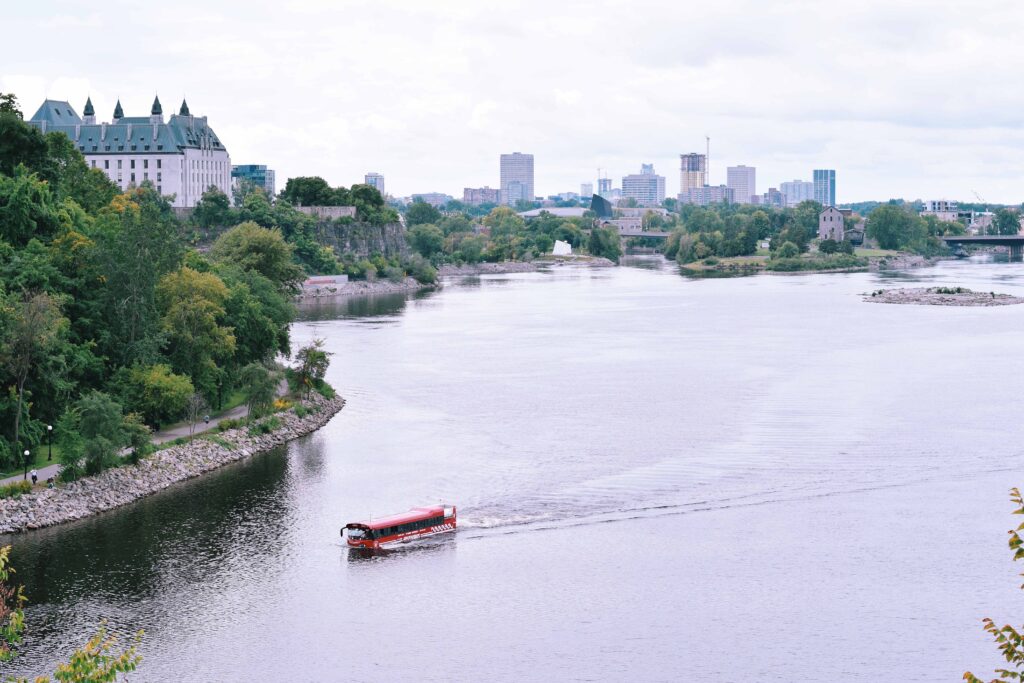
Today, the Rideau Canal focuses on recreation and tourism. Boaters travel along the full route or explore shorter sections near Ottawa and Manotick. Walking paths and green spaces along the canal provide access for residents who want to enjoy the outdoors.
In winter, part of the canal becomes a large skating area in Ottawa. Crews prepare and maintain the ice surface, which allows thousands of people to skate each season. This transformation shows how the canal adapts to different uses throughout the year.
The canal holds recognition as a heritage site due to its design, condition, and historical importance. Many original structures remain in place, including lock stations and support buildings.
For Manotick, the Rideau Canal remains a central feature that supports community life, connects people with nature, and preserves a key part of Canadian history.
Comments are closed